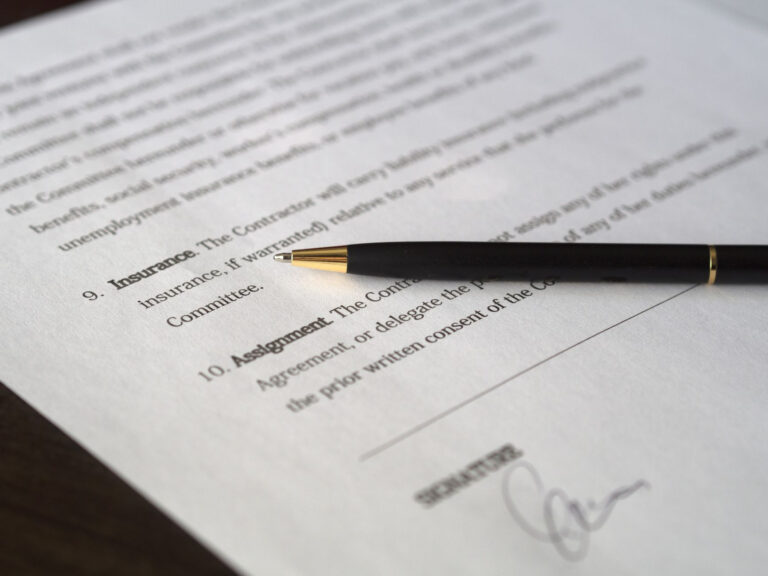
In today’s hyper-litigious corporate environment, the modern enterprise faces an unprecedented matrix of legal and financial exposures. According to recent data from the U.S. Chamber Institute for Legal Reform, tort costs in the United States have steadily outpaced nominal GDP growth, crossing the multi-billion-dollar threshold annually. For founders, chief financial officers, and general counsels, business liability insurance is no longer a mere administrative checkbox or a regulatory formality; it is the fundamental bedrock of corporate balance sheet protection. Without an expertly calibrated insurance architecture, a single catastrophic slip-and-fall, a sophisticated cyber data breach, or an unexpected product defect can instantly vaporize years of accumulated equity. This comprehensive guide provides an institutional-grade framework for structuring, optimizing, and deploying commercial liability insurance to safeguard your enterprise value.
1. Decoding the Anatomy of Commercial General Liability (CGL)
At the core of any corporate risk mitigation strategy lies the Commercial General Liability (CGL) policy. Designed to protect businesses against third-party claims for bodily injury, property damage, and personal or advertising injury, a standard CGL policy functions as the first line of defense against everyday operational liabilities.
However, sophisticated financial operators understand that standard “Occurrence” forms differ vastly from “Claims-Made” forms. An occurrence policy covers incidents that happen *during* the policy period, regardless of when the claim is actually filed—even if the policy has since expired. Conversely, a claims-made policy only covers incidents that happen and are reported while the policy is actively in force, often requiring the purchase of “tail coverage” (Extended Reporting Period) upon termination.
- Premises and Operations Liability: Covers injuries or damages sustained by clients, visitors, or vendors on your physical business premises.
- Products and Completed Operations Liability: Crucial for manufacturers and distributors, covering damages or injuries caused by a company’s products after they have left the premises or services after they have been completed.
- Personal and Advertising Injury: Protects against non-physical torts, including copyright infringement in marketing, defamation, slander, and malicious prosecution.
“Insurance is not an expense to be minimized at all costs; it is a vital hedge against catastrophic tail risk that preserves the long-term compounding power of corporate capital.” — Ones Finance Editorial Board