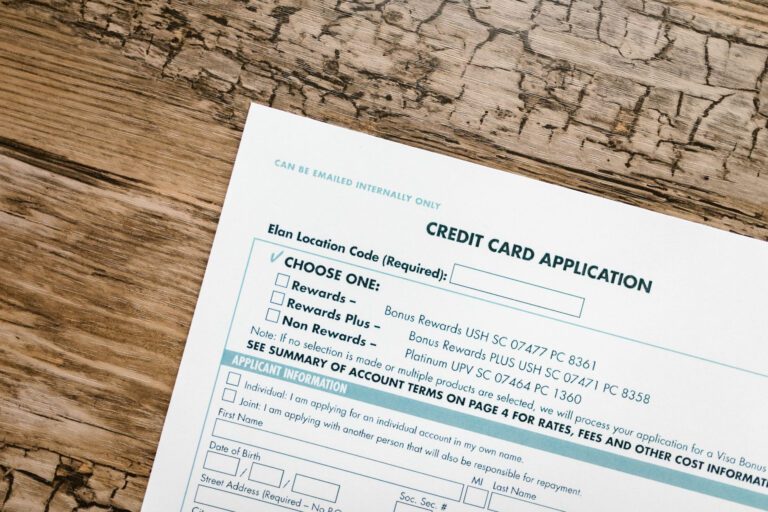
Navigating the modern consumer credit landscape requires the precision of a portfolio manager and the strategic foresight of a macroeconomic strategist. In an era marked by shifting Federal Reserve policy and fluctuating capital costs, securing a personal loan with a low interest rate is no longer just about filling out an online application—it is an exercise in financial positioning. Whether you are looking to execute a disciplined debt consolidation strategy, finance a high-ROI home improvement project, or smooth out working capital bumps, the difference between an 8% APR and a 18% APR can amount to thousands of dollars in hard capital over the life of the loan.
At Ones Finance, we believe that consumer debt should be managed with the same rigorous analytical framework applied to institutional asset management. Below is our institutional-grade blueprint for evaluating, negotiating, and securing the most competitive personal loan terms available in the current market.
Executive Key Takeaways
- Credit Score Primacy: Lenders reserve their tier-one rates (often sub-8% APR) exclusively for borrowers with FICO scores exceeding 740 and a debt-to-income (DTI) ratio below 35%.
- The Power of Prequalification: Utilize soft-pull marketplaces to compare offers across multiple institutions without taking a hard inquiry hit to your credit profile.
- Relationship Banking Arbitrage: Traditional brick-and-mortar banks and credit unions frequently offer loyalty rate discounts of 0.25% to 0.50% if you establish automatic monthly payments or hold existing deposit accounts.
- Origination Fee Math: A lower stated interest rate can sometimes be deceptive if paired with a hefty 5% origination fee; always evaluate the true Annual Percentage Rate (APR).

1. Decode the Macro Environment: Timing Your Borrowing
Interest rates on personal loans are inextricably linked to the federal funds rate and broader macroeconomic liquidity. When central banks tighten monetary policy to combat inflation, consumer borrowing costs inevitably rise. Conversely, when economic growth moderates, lenders compete more aggressively for high-quality borrowers, compressing spreads.
Before entering the market, examine where we are in the economic cycle. If interest rates are projected to plateau or decline, opting for a shorter loan term with the flexibility to refinance later can save you substantial capital. Conversely, if rates are on an upward trajectory, locking in a fixed-rate personal loan immediately shields you from further monetary tightening.
“In consumer credit, timing is capital. Borrowing without understanding the macroeconomic cycle is akin to trading equities without looking at market volatility.” — Ones Finance Editorial Board