The global architecture of capital allocation is experiencing a tectonic shift. For centuries, Traditional Finance (TradFi)—anchored by central banks, commercial clearinghouses, and multinational custodian banks—has held an absolute monopoly on the issuance, transmission, and custody of value. However, the maturation of Decentralized Finance (DeFi), powered by permissionless blockchain infrastructure and self-executing smart contracts, has introduced a parallel economic engine. As institutional asset managers, family offices, and venture funds weigh the friction of legacy systems against the programmable agility of web3 protocols, understanding the structural chasm between DeFi and TradFi is no longer optional; it is a fiduciary imperative.

1. The Architectural Divergence: Trust by Authority vs. Trust by Code
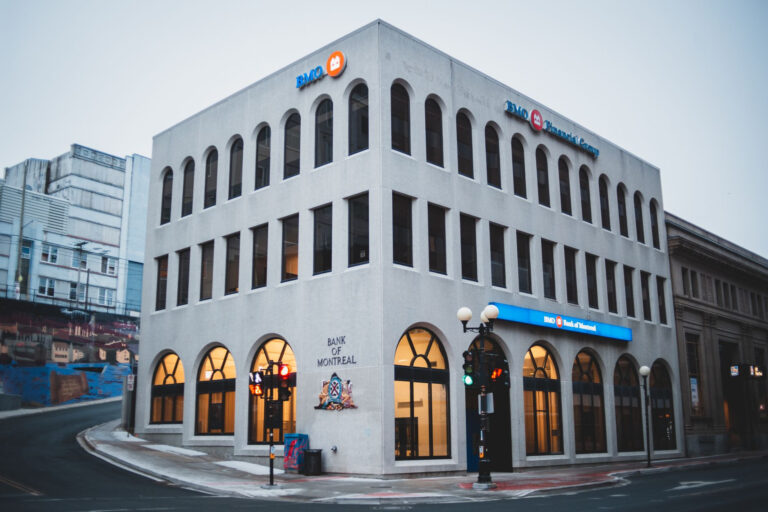
At the core of Traditional Banking lies a hierarchical, trust-based model. When an entity executes a cross-border wire or opens a line of credit, value must traverse a labyrinth of intermediaries: correspondent banks, SWIFT messaging networks, clearing institutions (such as ACH or Fedwire), and local compliance officers. Each touchpoint introduces latency, counterparty risk, and friction costs.
Conversely, DeFi replaces institutional middlemen with deterministic code. Operating primarily on high-throughput layer-1 and layer-2 blockchains (such as Ethereum, Solana, and Arbitrum), DeFi relies on smart contracts—immutable software applications that execute automatically when predefined conditions are met. There is no loan officer to lobby, no branch manager to approve a wire, and no weekend banking holiday.
“TradFi charges for trust through rent-seeking extraction; DeFi automates trust through cryptographic verification.” — Ones Finance Research Desk
Consider the quantitative disparity in settlement times and operational overhead:
| Operational Metric | Traditional Banking (TradFi) | Decentralized Finance (DeFi) |
|---|---|---|
| Settlement Speed | T+1 to T+3 business days | 12 seconds to 15 minutes (Block confirmation) |
| Operating Hours | Limited (Bankers’ hours, weekdays) | 24/7/365 continuous operation |
| Intermediary Fees | 1.5% to 5.0% (FX, wire fees, custody fees) | Gas fees + negligible protocol take-rate (0.01% – 0.3%) |
| Transparency | Opaque balance sheets, periodic audits | Real-time on-chain transparency, public mempools |