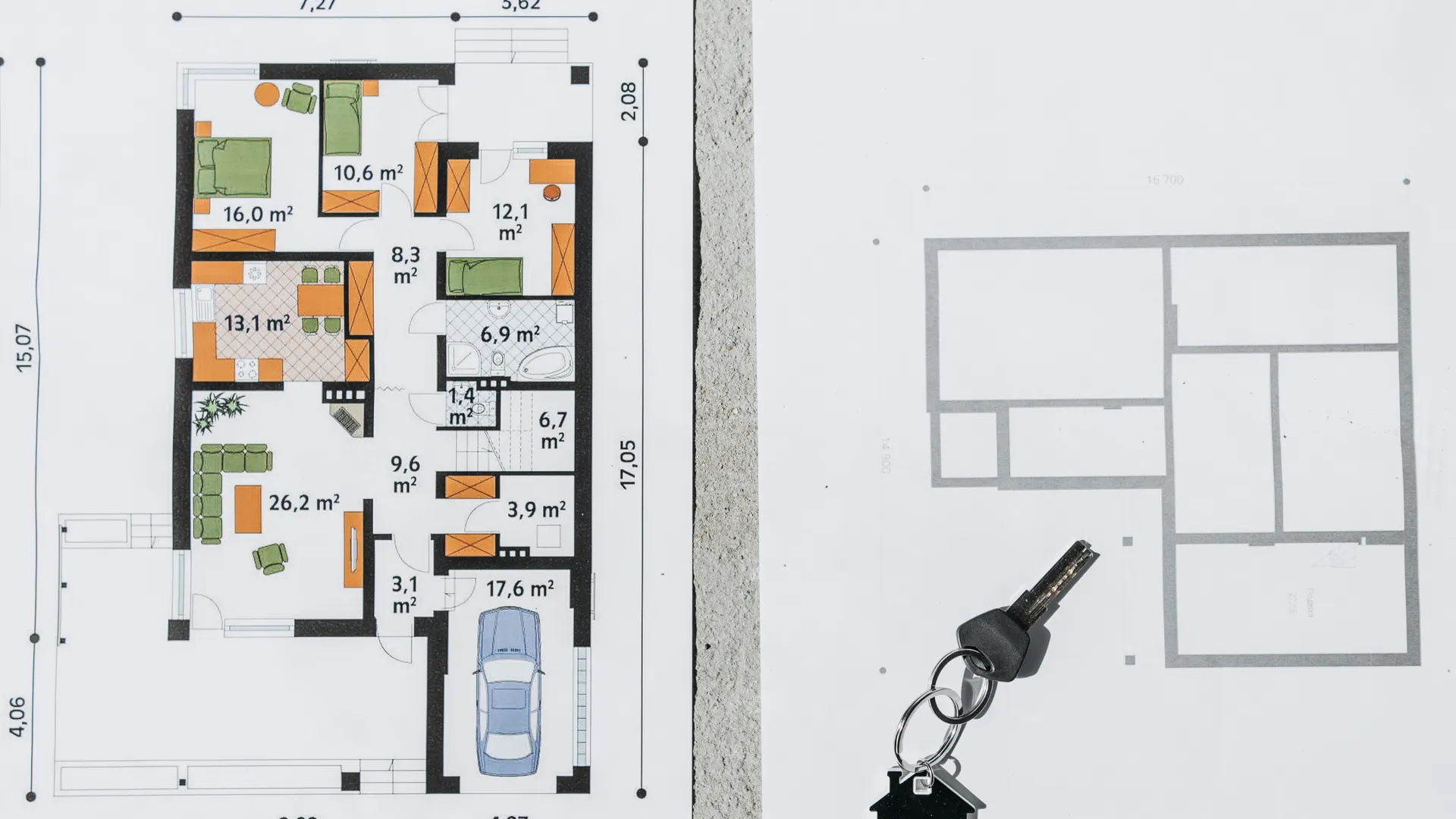
As metropolitan housing markets face unprecedented supply constraints and soaring property valuations, homeowners across the country are sitting on a goldmine of untapped potential: their backyards. Accessory Dwelling Units (ADUs)—often referred to as granny flats, backyard cottages, or converted garages—have evolved from a niche architectural trend into a macroeconomic asset class. With municipal zoning laws relaxing nationwide to combat the housing shortage, an ADU offers a dual-benefit strategy: creating immediate generational or rental income while exponentially compounding primary property equity.
However, the primary hurdle for most real estate investors and homeowners is not zoning compliance or architectural design; it is capital. Constructing a functional, permitted standalone unit typically ranges from $150,000 to over $400,000 depending on geographical labor markets, material costs, and site engineering. Navigating this capital expenditure requires a masterclass in modern real estate financing. Below, we break down the most sophisticated, risk-adjusted strategies to finance your ADU project without destabilizing your core financial portfolio.
Key Takeaways
- Leverage Equity First: Home Equity Loans and HELOCs typically offer the lowest interest rates and most streamlined approval processes for established homeowners.
- Future-Proof Valuations: Modern lending institutions increasingly factor projected ADU rental income into the borrowing equation via Fannie Mae and Freddie Mac underwriting guidelines.
- Cash-Flow Management: Construction-to-permanent loans protect borrowers against cost overruns by locking in financing terms before the first shovel hits the dirt.
- ROI Realities: Well-designed urban ADUs routinely yield an 8% to 15% cash-on-cash return when deployed as long-term or mid-term rental assets.
1. Home Equity Loans and HELOCs: The Path of Least Resistance
For homeowners who have aggressively paid down their primary mortgage or benefited from the massive real estate appreciation of the past decade, tapping into accumulated home equity is the most direct and cost-effective financing mechanism.
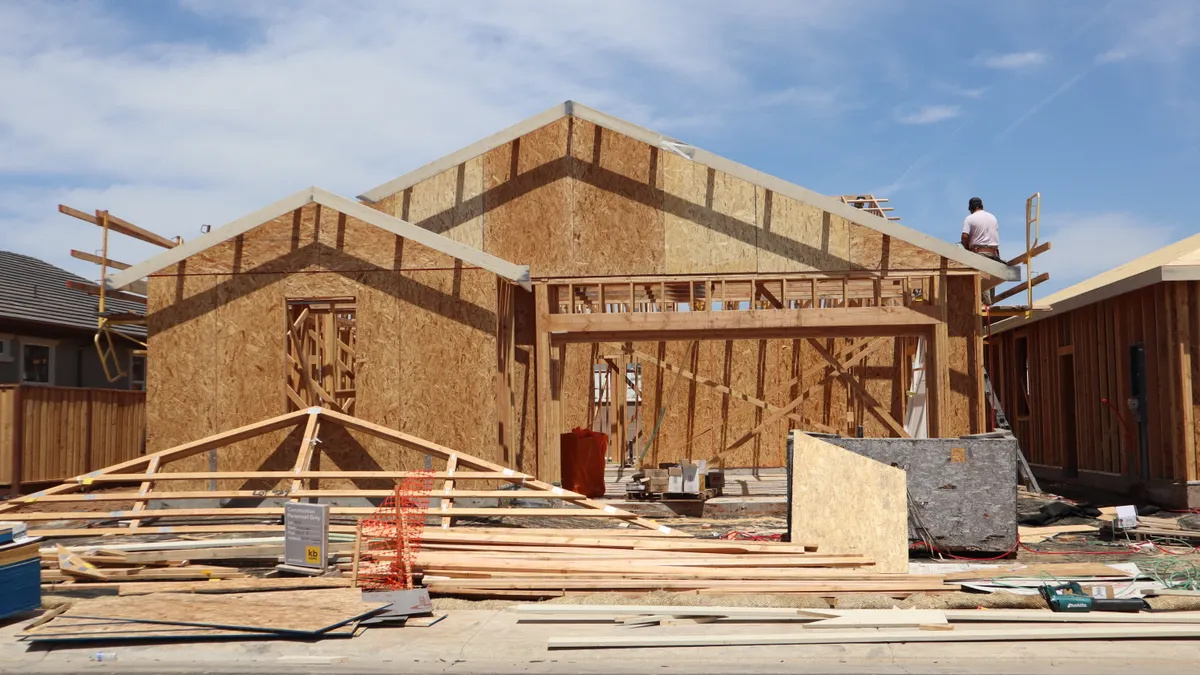
A Home Equity Line of Credit (HELOC) functions like a credit card backed by your real estate. During the draw period—usually the first 5 to 10 years—you borrow only what you need as construction milestones are met, paying interest exclusively on the disbursed capital. This is particularly advantageous for ADU builds, where expenses fluctuate across permitting, foundation pouring, framing, and interior finishes.
Alternatively, a Home Equity Loan provides a lump-sum distribution at a fixed interest rate. This structure provides absolute certainty against rising interest rate environments, a critical hedge in periods of macroeconomic volatility.
“When advising real estate investors, we always look at the cost of capital relative to projected rental yield. If a HELOC sits at 7.5% and your projected rental income yields a 12% capitalization rate, the arbitrage works cleanly in your favor.” — Senior Mortgage Strategist, Ones Finance